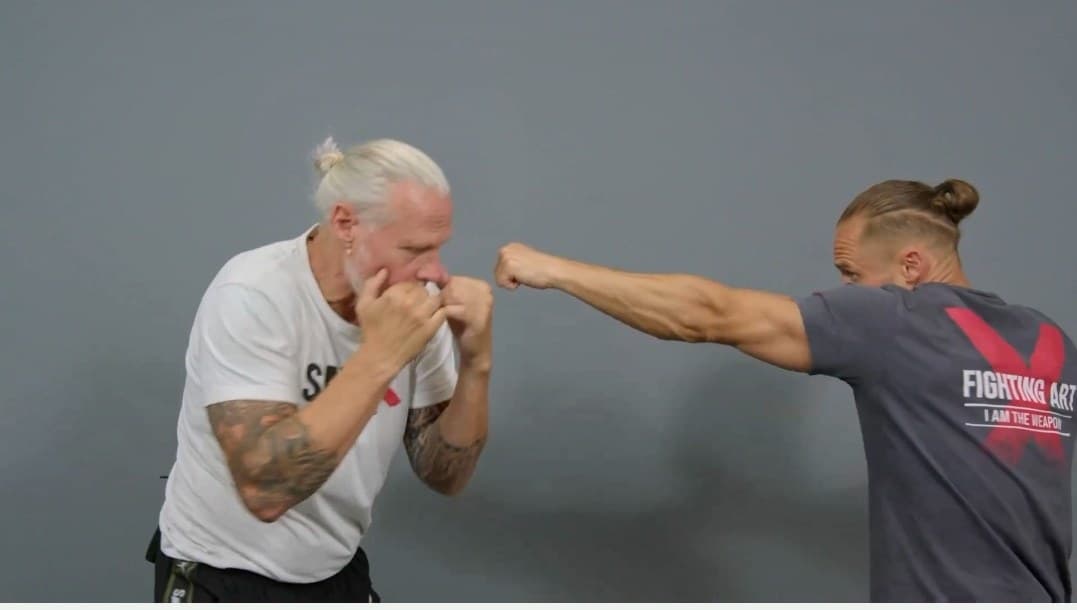

Do you want to get fitter, learn martial arts or develop your self-defense skills, but keep putting off your training? How can you practice regularly at home and make good use of online learning? The key is a routine that fits your life, combined with small, clear tasks you can actually complete.
You may recognize the pattern: after a good session, you decide to train regularly from now on. You have learned something new, moved your body and enjoyed the experience. Then the next week gets busy. Work runs late, other commitments take over, and suddenly two weeks have passed.
This happens to many people. What matters is how you continue. On SAMI-X, technique videos, guided training, workouts and training plans can help you build a more consistent routine. But watching content is only the starting point. Learning requires practice, repetition and useful feedback.
1. Find your personal reason for training
Why do you want to train? Your answer can help you keep going when the initial excitement fades.
Perhaps you want to clear your head after work, improve your fitness, learn boxing techniques or explore self-defense. Enjoying movement and discovering a martial art are equally valid reasons.
Your goal does not have to be spectacular or match anyone else's. “I want to move regularly and feel more physically capable” can be a strong starting point.
Krav Maga, Panantukan, boxing-based striking training and other SAMI-X systems offer different learning tasks. Choose a starting point that matches your interests and experience. If self-defense is your goal, remember that solo practice is only part of the process. Working with a qualified instructor and a suitable training partner helps you develop skills that screen-based practice cannot fully cover.
Three tips to get started:
- Write down your reason for training in one simple sentence.
- Choose one main focus instead of trying to achieve everything at once.
- Remember what you value about a good training session.
2. Schedule training instead of leaving it for “sometime this week”
“I will train this week” sounds reasonable. Without a specific time, however, it is easy to keep postponing it.
Choose training times that fit your daily life and put them in your calendar. One or two reliable sessions can be a better starting point than an ambitious schedule you cannot maintain.
Online training gives you flexibility, but flexibility still needs structure. Decide when you will open SAMI-X and begin practicing. For example: “On Tuesday and Thursday, I train after work. On Saturday, I review the week's focus.”
Prepare your space and choose your content in advance. This saves you from spending your available training time browsing videos.
Make it easier to follow through:
- Set your training times before the week begins.
- Prepare your training space and any equipment you need.
- Choose an alternative time if your usual session falls through.

3. Set small learning goals
Martial arts involve many details. Stance, guard, footwork, striking technique, distance and timing need to come together gradually.
Trying to master everything immediately can make training frustrating. Give each session a specific task: bring your hand back to guard after a punch, stay balanced during a step, or perform a familiar combination more smoothly.
On SAMI-X, use technique videos to understand one movement at a time. Pause the video, practice slowly and return to the explanation when something is unclear.
Recognizing a technique on screen is different from performing it. A small improvement in your execution can be more valuable than watching several new lessons.
Three practical steps:
- Choose one specific improvement for your next session.
- Practice with control before increasing your speed.
- Keep the same focus for several sessions when needed.
4. Turn online lessons into physical practice
You do not need equipment or a partner for every session. A suitable clear space lets you practice stance, basic footwork and shadowboxing.
Give your practice a clear purpose. Ten minutes of random movement is different from ten minutes spent deliberately working on a familiar sequence.
An example of a short practice session:
Start with gentle movement and simple steps. Review a familiar striking technique slowly. Then connect it with footwork you have already learned. Finish by checking: are you balanced? Do your hands return to guard? Can you move again without losing control?
Use a suitable guided session or training plan when you want more structure. If you have a heavy bag, you can add controlled work with familiar techniques. Bag resistance gives you contact, but it does not correct your execution.
For your practice at home:
- Choose exercises you have already studied and understand.
- Allow enough space and keep the intensity controlled.
- Write down questions and seek qualified feedback when needed.

5. Use striking training and workouts for your fitness
Striking training involves your legs, trunk and arms. You move toward a target, shift your weight and connect punches with steps.
Depending on the exercises and intensity, you can work on endurance, coordination, balance and body control. A calm technique round has a different purpose from faster rounds on a bag or a demanding boxing workout.
SAMI-X offers many boxing workouts you can use alongside your technique practice. Training plans help you organize the content into a manageable session. Choose workouts that use movements you can already perform with control.
You do not need to finish every session completely exhausted. If fatigue makes your movements uncontrolled, reduce the pace, shorten the round or take a longer break.
Keep these three points in mind:
- Learn new movements at a manageable pace.
- Use familiar sequences for more demanding workout rounds.
- Increase the workload while maintaining control of your technique.
6. Let training partners and community support you
A training partner or regular contact with other learners can help you stay consistent. Agree on a session, discuss a weekly focus or share a question about an exercise.
When you have a partner, suitable feeder tasks and pad work add forms of feedback that solo practice cannot provide. Start with clear, agreed exercises and a pace both people can manage.
For solo sessions, Virtual Feeding adds visible cues on screen. Depending on the task, you respond with familiar movements, combinations or footwork. It can challenge your attention and timing, but it does not fully reproduce a real partner's distance, contact or spontaneous adjustments.
Use support effectively:
- Arrange a specific practice time with a partner when possible.
- Choose feeding tasks that match techniques you already know.
- Ask for clarification instead of repeatedly guessing at an exercise.

7. Notice progress in small changes
Progress is about more than knowing additional techniques. You may stay more balanced after a combination, move with less unnecessary tension or complete a familiar workout more comfortably.
These changes can be easy to miss if you only focus on what still needs improvement.
After training, write a short note about what you practiced and what went better. A sentence on your phone is enough. Looking back after several weeks can help you see patterns in your development.
You will still have less successful days. Daily performance varies, so assess your progress over time rather than expecting a measurable improvement after every session.
Three questions after practice:
- What did I work on today?
- What is becoming more controlled or more familiar?
- What do I want to repeat or clarify next time?
8. Restart after a break
Missing one session does not mean your whole training plan has failed. Even after several weeks away, you can return.
Do not wait until you feel perfectly fit or motivated. Choose familiar tasks and a manageable workload. You do not need to prove anything or make up every missed session.
For a busy day, prepare a shorter alternative: a few minutes of gentle preparation followed by controlled practice of one familiar movement. This keeps you connected to your routine without turning every day into a full workout.
You can also begin in your 40s, 50s, 60s or later. Your starting point and the way you build your training matter. Illness, pain or significant exhaustion may call for rest. Consistency includes managing your workload sensibly.
For your return:
- Set a specific time for your next session.
- Begin with familiar exercises and manageable demands.
- Rebuild your routine gradually.

Your next step on SAMI-X
You do not have to wait for a perfect week. Schedule your next sessions and choose one technique or combination to work on.
Use a technique video to understand the movement, practice it slowly, and then apply it in suitable shadowboxing, a boxing workout or a Virtual Feeding task. Let a training plan give your session structure, while adapting the pace and workload to your current ability.
Habits develop at different speeds. Give your routine time, and adjust it if it is too difficult to maintain. The aim is a repeatable learning process: practice, get feedback, make corrections and continue.
Open SAMI-X, choose your next training focus and set a time to practice. Small, purposeful sessions can become a regular part of your life when you give them a clear place in your week.
More of this by email
New techniques, courses and articles in the SAMI-X newsletter.
Related Articles

Boxing without sparring: How to use punch training on SAMI-X
Learn boxing techniques and build fitness without sparring. Peter Weckauf explains how to combine shadowboxing, bag work, Virtual Feeding, workouts and training plans on SAMI-X.
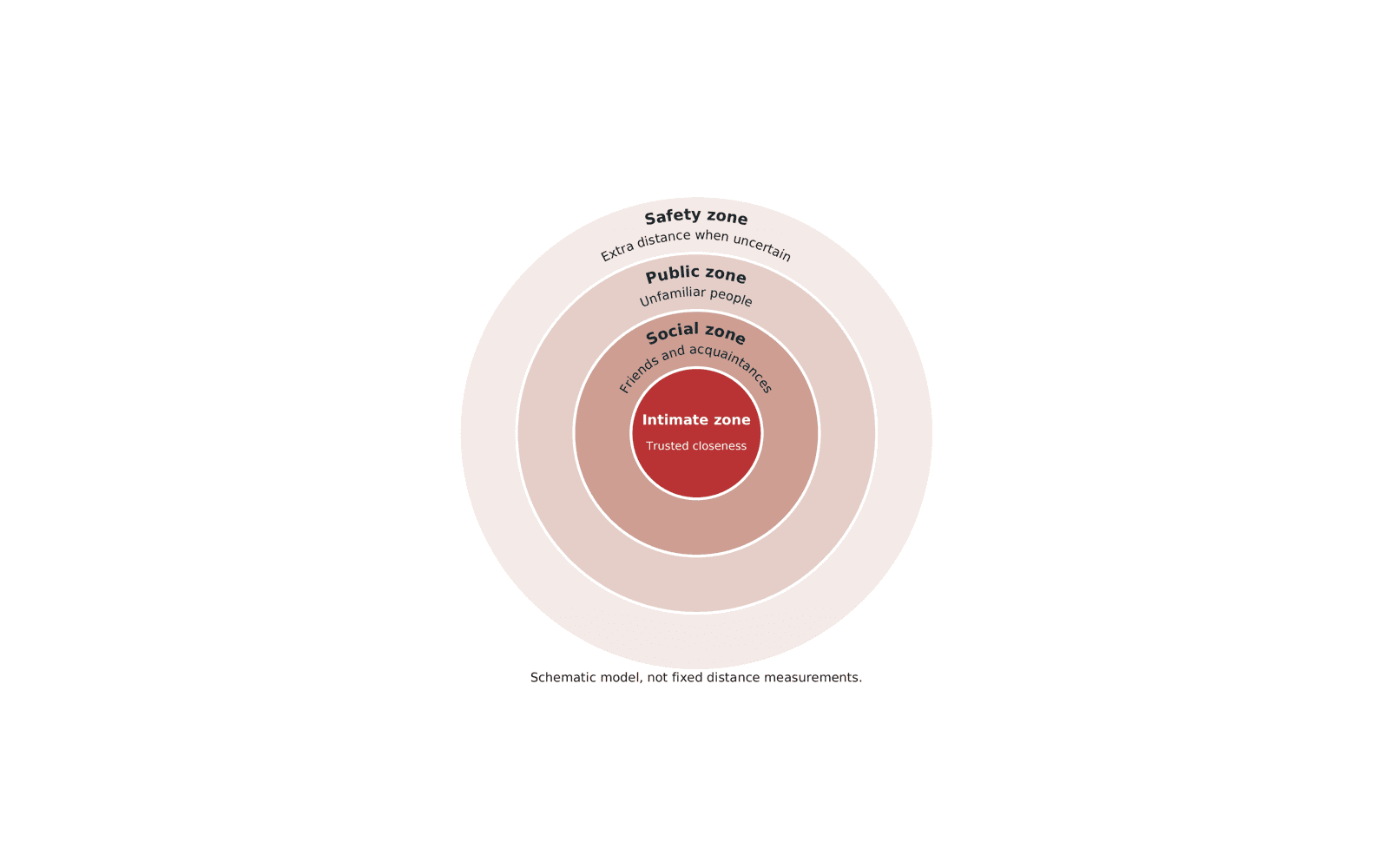
Distance zones in self-defense: How much space do you need?
Understand personal boundaries, physical reach and the six distance ranges in self-defense. Peter Weckauf explains how to practice awareness and distance through online and partner training.

Boxing or Krav Maga? An Honest Comparison After 26+ Years of Practice
Boxing or Krav Maga? After 26+ years coaching both, I honestly compare their strengths, limits and goals – and explain why the best answer is often the combination.